醤油ビギナーに贈る初めの1本完全ガイド
Written by Masa
Affiliate Disclosure:
As an Amazon Associate, I earn from qualifying purchases at no extra cost to you.
I only recommend products I personally use and trust in my own kitchen.
Walk into the Asian food aisle of any local supermarket, and you’re met with a wall of dark glass bottles. They all say “Soy Sauce.” Some are made in Japan, some in China, others produced locally—and prices range from $3 to over $20.
Here’s the truth: They look almost identical, but their flavor profiles are worlds apart. The right bottle doesn’t just add saltiness—it elevates a simple home-cooked meal into something genuinely authentic.
Whether you’re looking for an everyday kitchen staple, a rich dipping sauce for sushi night, or a certified gluten-free Tamari, this guide will help you pick the perfect bottle with confidence.
⚡ Don’t Have Time to Read the Full Guide?
Here Are My Top Picks!
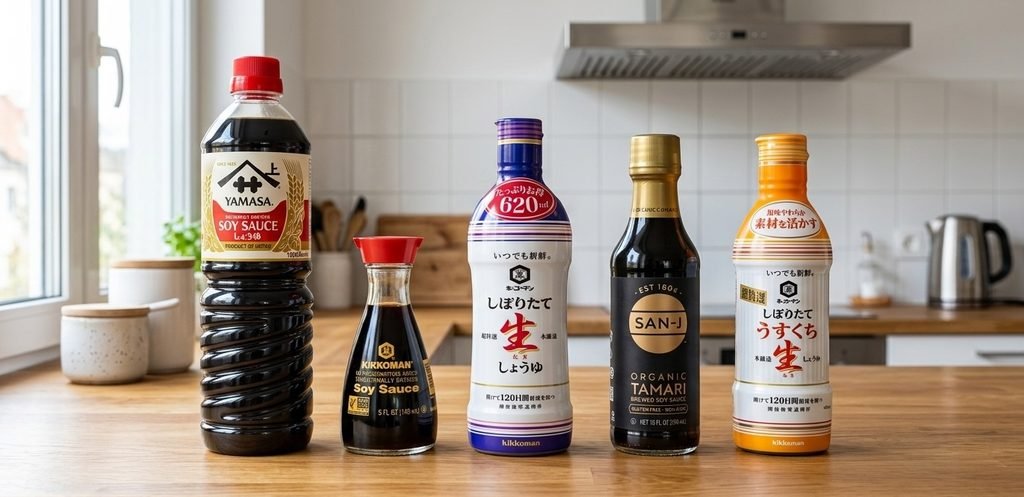
After decades of cooking authentic Japanese food outside of Japan, these are the bottles I consistently restock in my own pantry.
Best Overall for Everyday Cooking: Yamasa Naturally Brewed Soy Sauce
(Note: 33.8 fl oz / 1000 ml bottle shown in photo)
This naturally brewed soy sauce is an affordable, reliable staple for daily cooking and table use. Over 360 years of tradition guarantee rich, authentic flavor.
👉 [Check Current Price on Amazon]
Best Classic: Kikkoman Traditionally Brewed Soy Sauce (Tabletop Bottle)
(Note: 5 fl oz / 148 ml bottle shown in photo)
Featuring the iconic tabletop dispenser, Kikkoman brings timeless flavor to your kitchen. Traditionally brewed with non-GMO ingredients and zero preservatives for a deep, rich taste.
👉 [Check Current Price on Amazon]
Best Nama Premium for Sushi: Kikkoman Smooth Aromatic Soy Sauce (Nama)
(Note: 21 fl oz / 620 ml bottle shown in photo)
Experience sushi and sashimi at their best with this premium unpasteurized raw (nama) soy sauce. Its high-tech double-layered bottle preserves freshness and smoothness for up to 120 days after opening.
👉 [Check Current Price on Amazon]
Best Gluten-Free Tamari: San-J Organic Tamari Sauce
(Note: 10.0 Fl Oz / 296ml bottle shown in photo)
Perfect for anyone strictly avoiding gluten, San-J Organic Tamari is a Gluten Free Premium Tamari crafted for culinary excellence. Its rich umami and thick texture bring luxurious depth to every dish.
👉 [Check Current Price on Amazon]
Best Usukuchi: Kikkoman Smooth Aromatic Soy Sauce Light
(Note: 15.3 Fl Oz / 450ml bottle shown in photo)
Elevate delicate dishes with this unpasteurized raw light soy sauce. It delivers smooth, savory umami while preserving the vivid natural color of fresh vegetables, seafood, and clear broths.
👉 [Check Current Price on Amazon]
Jump to a Topic
・ A Short History of Japanese Soy Sauce
・ Is Japanese Soy Sauce Gluten-Free?
・ Why Does Japanese Soy Sauce Contain Wheat?
・ The Five Main Types of Japanese Soy Sauce
・ How to Read Japanese Labels Like a Pro
・ Standard PET, Glass, or Double-Layered Squeeze Bottle?
・ Frequently Asked Questions
・ Explore More: Soy Sauce Stories & Culture
A Short History of Japanese Soy Sauce
While soy sauce originated in China more than 2,000 years ago, Japan adapted the technique centuries later and gradually developed its own highly refined brewing style.
During the Edo Period (1603–1868), Japanese brewers perfected what is now called Koikuchi Shoyu (Dark Soy Sauce). Today, about 80% of all soy sauce produced in Japan is Koikuchi, making it the everyday staple found in almost every Japanese home. Its perfectly balanced combination of umami, sweetness, aroma, and saltiness makes it one of the world’s most versatile seasonings.
Is Japanese Soy Sauce Gluten-Free?
Usually, no. Because traditional Japanese soy sauce relies heavily on wheat, it is not considered gluten-free and is not suitable for people with celiac disease or severe gluten sensitivities.
If you need to avoid gluten, you need to look for certified gluten-free Tamari.
Tamari is a byproduct of miso production and is traditionally made with little to no wheat. It has a richer, deeper, and less salty flavor profile. However, always check the label—some modern, mass-produced tamari still contains trace amounts of wheat.
If you want a guaranteed safe option, I highly recommend buying certified gluten-free bottles from trusted brands.
Why Does Japanese Soy Sauce Contain Wheat?
This is one of the most common questions I hear from my non-Japanese friends. Traditional Japanese soy sauce is made from just four simple ingredients: Soybeans, Wheat, Salt, and Water.
The wheat isn’t just a cheap filler. It performs three critical jobs during the brewing process:
- Sweetness: It contributes a subtle, natural sweetness.
- Aroma: It creates the deep, roasted fragrance that Japanese soy sauce is famous for.
- Fermentation: The yeast feeds on the wheat sugars, producing the complex flavor profile developed during months of natural brewing.
Without wheat, Japanese soy sauce wouldn’t have its signature well-rounded taste.
The Five Main Types of Japanese Soy Sauce
Don’t let the supermarket shelf overwhelm you. In Japan, soy sauce is categorized into five main types. Here is exactly what they are and how to use them.
1. Koikuchi (Dark Soy Sauce)
This is the all-purpose soy sauce used in almost every Japanese kitchen. If a Japanese recipe simply calls for “soy sauce,” this is what they mean.
- Best for: Stir-fries, marinades, everyday cooking, and fried rice.
2. Usukuchi (Light Soy Sauce)
Don’t let the name fool you! Despite its lighter, amber color, Usukuchi actually contains slightly more salt than dark soy sauce. Japanese chefs use it when they want to season food heavily with umami without turning the dish a dark brown color.
- Best for: Clear soups, udon broth, Chawanmushi (savory egg custard), and simmered vegetables.
3. Tamari
Rich, thick, and intensely savory. Because it uses mostly soybeans and very little wheat, it packs a massive umami punch.
- Best for: Sushi, sashimi, steak glazes, and gluten-free cooking.
4. Shiro (White Soy Sauce)
The opposite of Tamari. Shiro is made with much more wheat than soybeans. It is very light in color (almost like white wine) with a delicate, sweet flavor.
- Best for: Salad dressings, delicate seafood, and light sauces.
5. Saishikomi (Double Brewed Soy Sauce)
Instead of using salt water to brew the soybeans, brewers use existing soy sauce during the second fermentation. The result is an incredibly rich, thick, and luxurious sauce.
- Best for: Use strictly as a premium finishing or dipping sauce, never for cooking.
How to Read Japanese Labels Like a Pro
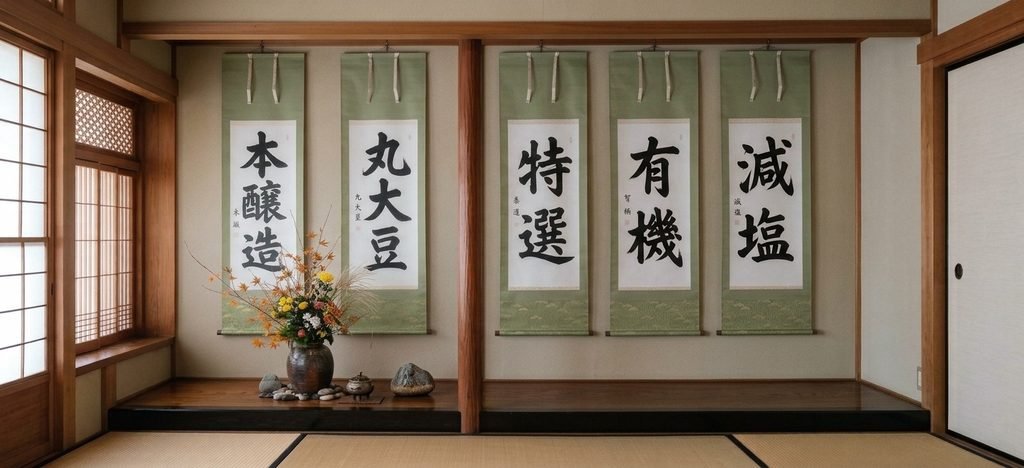
If you’re shopping at an Asian grocer or buying imported bottles online, look for these characters to ensure you’re getting high-quality ingredients:
| Japanese Text | Pronunciation | What It Means |
| 本醸造 | Honjozo | Naturally brewed. Skip chemically produced sauces; this is the everyday standard you want. |
| 丸大豆 | Marudaizu | Whole soybeans. Results in a richer, smoother flavor compared to defatted soybeans. |
| 特選 | Tokusen | Premium grade. Indicates a higher level of natural umami. |
| 有機 | Yuki | Organic. Made with certified organic ingredients. |
| 減塩 | Gen’en | Reduced Salt. A great option if you’re watching your sodium intake. |
Standard PET, Glass, or Double-Layered Squeeze Bottle?
Standard plastic (PET) bottles are the most common choice for everyday cooking, offering lightweight convenience. Traditional glass bottles, often used for premium soy sauces, excel at protecting delicate flavors during long-term storage.
For maximum freshness, modern double-layered squeeze bottles use clever air-blocking technology to prevent oxidation after pouring, allowing the sauce to stay fresh at room temperature for up to 180 days.
The rule of thumb: Standard glass and PET bottles should always be refrigerated after opening, while double-layered squeeze bottles can comfortably stay in your pantry.
Frequently Asked Questions
Is Japanese soy sauce healthier than Chinese soy sauce?
Neither is inherently healthier. They are simply made using different brewing ratios and are intended to complement their respective cuisines.
Does soy sauce actually need refrigeration?
Not strictly—it depends on the packaging. Standard bottles are best refrigerated to preserve flavor, while modern double-layered bottles stay fresh at room temperature up to 180 days.
Can I use tamari instead of soy sauce in recipes?
Absolutely. Tamari is richer and works beautifully in most recipes, though it may darken your dish slightly more than regular soy sauce.
How long does soy sauce last?
Unopened, it lasts years. Once opened, use within 3 to 6 months for best quality, whether refrigerated in standard bottles or stored at room temperature in modern double-layered bottles.
Explore More: Soy Sauce Stories & Culture
【Soy Sauce Story 1】
The King of the Kitchen
Japan’s Most Popular Soy Sauce & Its Accidental History
【Soy Sauce Story 3】
The Great Soy Sauce Rebellion
Japan’s Regional Brewers Clap Back at Tokyo
【Soy Sauce Story 4】
The Great Soy Sauce Packaging War
From the Iconic Glass Bottle to High-Tech Freshness