濃口が日本の醤油の基本?え?そうだったの!?
Written by Masa
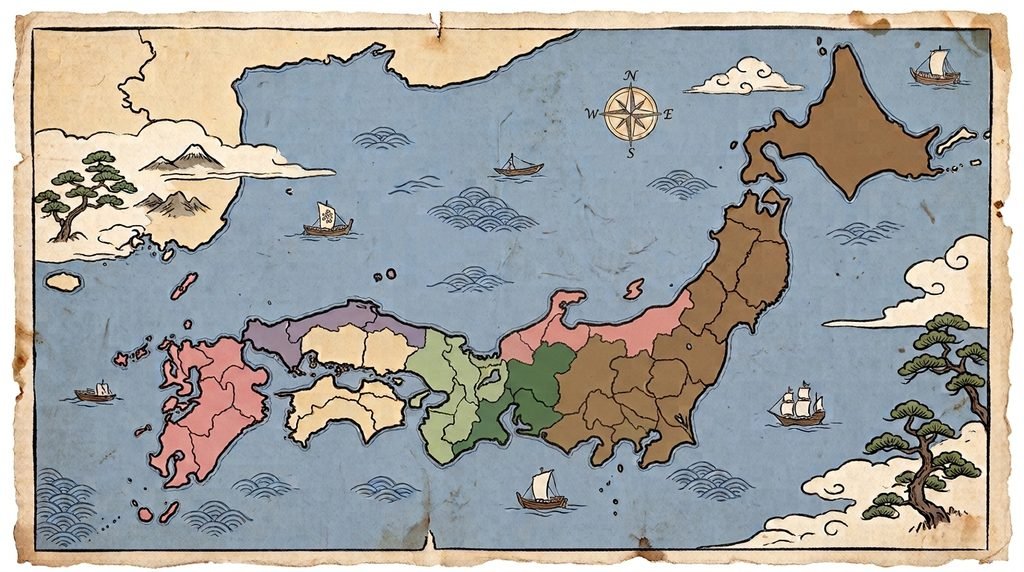
If you ask Tokyo, standard soy sauce is dark, robust, and made with a 50/50 split of soybeans and wheat. Tokyo’s Koikuchi might hold 80% of Japan’s soy sauce market, but if you call it the “National Standard,” prepare for some fierce regional pushback. Here is what the rest of Japan has to say about their own beloved brews—and they aren’t afraid to defend them.
Kyoto & Hyogo: The Refined Truth About Usukuchi
So Tokyo thinks its dark, opaque Koikuchi is the standard? How barbaric. Down here in Kansai—especially Kyoto and Tatsuno in Hyogo—we actually respect our ingredients.
If you pour Koikuchi over pristine seasonal bamboo shoots or sea bream, you completely obliterate their natural colors. Our standard is Usukuchi (light soy sauce).
And let’s get the science straight before Tokyoites complain it’s “weak” Usukuchi actually has a higher salt content (around 18-19%) than Koikuchi. We brew it with a touch of sweet rice liquid and halt the fermentation early to maintain that beautiful, pale amber hue. It seasons the food perfectly without staining it mud-brown.
But the real secret to our sauce lies in the ground: water hardness. Kansai sits on some of the softest water in Japan, which is perfect for extracting the delicate, refined umami from kombu (kelp) to create our famous golden dashi broths. If you add heavy, dark Koikuchi to that delicate kelp broth, you ruin it. Usukuchi was specifically engineered to harmonize with this soft-water dashi, while the soft water itself allows for a slow, steady fermentation process that builds a much more refined flavor profile.
Kansai is the cradle of traditional washoku (Japanese cuisine). Usukuchi was born to elevate, not dominate. You use Koikuchi to mask the smell of Edo fish. We use Usukuchi because our ingredients are already flawless.
Aichi: Tamari is the Original, Everything Else is Watered Down
It’s cute that Tokyo thinks a 50/50 mix of soybeans and wheat is “authentic.” Here in Aichi and the surrounding Chubu region, we brew Tamari—the way soy sauce was actually intended to be made.
We use nearly 100% soybeans* and a fraction of the brewing water. Scientifically, more soybeans mean a massive concentration of amino acids. This gives Tamari an umami punch and a thick, glossy viscosity that makes Koikuchi look like heavily salted tea.
Historically, Tamari is the direct descendant of the very first fermented soy liquids produced by 13th-century monks. We didn’t dilute our brew with cheap roasted wheat just to mass-produce it for impatient Edo laborers.
When you eat Nagoya’s famous hitsumabushi (grilled eel) or fresh sashimi, you need a sauce that coats the food and delivers pure, unadulterated savory richness. Koikuchi might be for the masses, but Tamari is the ancestral king.
Yamaguchi: Saishikomi, Because We Don’t Compromise on Luxury
Congratulations to the rest of Japan for being satisfied with standard soy sauce. In Yamaguchi Prefecture, we require a bit more effort. We use Saishikomi, and quite frankly, going back to Koikuchi feels like a demotion.
“Saishikomi” literally means “twice-brewed.” When regular breweries combine their soybean and wheat mash, they add cheap salt water to start the fermentation. What do we do? We add already finished soy sauce instead of saltwater.
This double-fermentation process takes twice as long and requires twice the raw ingredients. The result is an incredibly dense, complex flavor profile with a deep, syrupy color. It’s intensely savory with a natural, rounded sweetness.
We didn’t invent this in the 1700s to cook with; this is Kanro (sweet dew), a premium condiment engineered specifically for high-end sashimi. Koikuchi is an everyday utility. Saishikomi is a luxury experience.
Kyushu: The Rule of “Amakuchi”
Tokyo claims Koikuchi is the “National Standard,” holding 80% of the market. But cross the Kanmon Straits into Kyushu, and those statistics fly out the window. Down here, we politely decline Tokyo’s salty brown water.
The rest of the country is missing out on our true standard: Amakuchi (sweet soy sauce). While bureaucrats call it a “mixed” sauce, it is the lifeblood of our kitchens. By blending a standard base with sweeteners and a massive boost of amino acids, we create a rich umami bomb. The further south you go, the sweeter it gets—by Kagoshima, it’s so thick you might wonder if locals pour it over breakfast pancakes!
A proper Kyushu pantry relies heavily on two styles:
- Amakuchi: Used for absolutely everything from simmering vegetables to cold tofu. Its sweet-and-salty profile perfectly balances the dry, aggressive bite of our famous shochu.
- Saishikomi: Sharing a border with Yamaguchi, our brewers also use finished soy sauce instead of saltwater to create this decadent, syrupy brew, the undisputed king of our famous fatty yellowtail (buri) sashimi dips.
Mainlanders always ask, “Why is it so sweet?” It comes down to history, geography, and superior seafood:
- The Sugar Road: During Japan’s Edo-period isolation, the country was closed off—except for Dejima port in Nagasaki. We had cheap, abundant Dutch sugar centuries before everyone else, and serving a meal seasoned with precious sugar was the ultimate flex of Kyushu hospitality and wealth.
- Fresher Fish: We eat our sashimi extremely fresh via ikejime. Un-aged, super-fresh fish has tight muscles that physically repel thin liquids that haven’t developed natural umami yet. We need Amakuchi’s thick sweetness to cling to the fish and inject that missing flavor.
- Subtropical Swamp: Kagoshima summers are sweltering. Sweating laborers craved food that replenished sodium and blood sugar all at once. Plus, that extra sugar binds to water, lowering the “water activity” and keeping our beloved sauce from spoiling in the humid heat.
So, Tokyo can keep its 80% market share and its “official” categories. Down in Kyushu, we’ll stick to our sweet nectar.
The Bottom Line: There is No Single Standard!
Tokyo’s Koikuchi might dominate the supermarket shelves, but Japan’s regional soy sauces prove that the best condiment depends entirely on where you are and what you are eating. Whether you are dipping rich yellowtail sashimi into syrupy Amakuchi in Kyushu, or elevating seasonal bamboo shoots with Kansai’s Usukuchi, matching the right soy sauce to the right dish is the true secret to authentic Japanese home cooking.
Author’s Note: This post is a lighthearted take on regional food culture in Japan. It is written with a sense of humor to celebrate unique regional traditions and friendly rivalries. Koikuchi remains the undisputed kitchen workhorse and is absolutely the best place to start for most everyday Japanese recipes!
A Note for Gluten-Free Readers: While Tamari is commonly marketed in the West as the definitive gluten-free soy sauce, traditional Japanese Tamari is not always 100% wheat-free. Some traditional brewers still use a trace amount of roasted wheat to jumpstart the fermentation process. If you have Celiac disease or a strict gluten intolerance, always check the label and ensure the bottle is explicitly certified gluten-free.