あのガラス瓶はどこへ?醤油の常識を変えた究極の「KAIZEN – 改善」ドラマ
Written by Masa
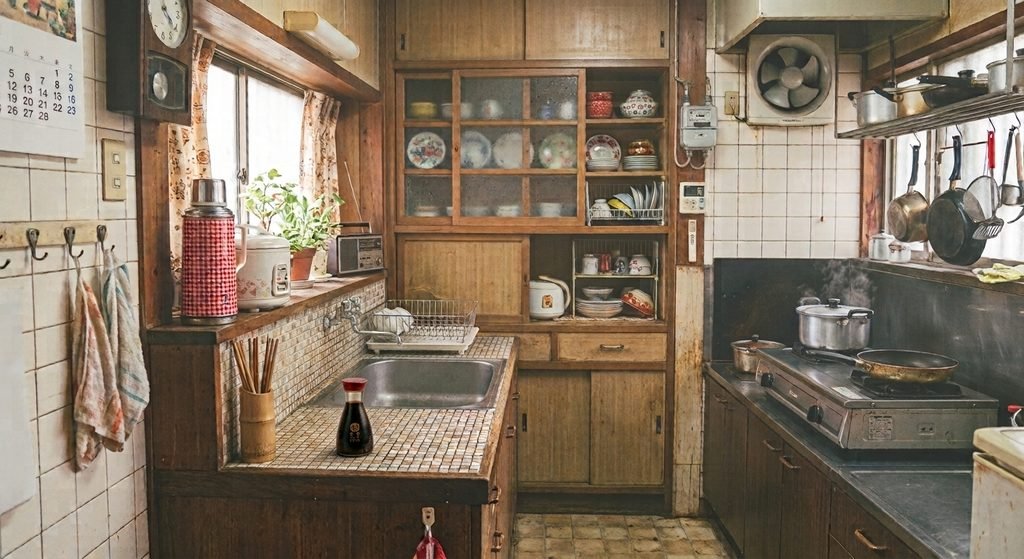
Anyone who has dined at a Japanese restaurant will recognize that bottle. Designed in 1961 by Kenji Ekuan, Kikkoman’s glass bottle with its distinctive red cap is an industrial masterpiece.
However, these bottles are rarely seen in modern Japanese kitchens today. Aside from retro diners and vintage enthusiasts, very few households still use them. The reason lies in the constant battle against oxidation—soy sauce’s greatest enemy.
The Invisible Enemy: Oxidation
Soy sauce is extremely sensitive to oxygen, with oxidation beginning the moment the bottle is opened. When oxygen reacts with the liquid, its rich and complex aroma starts fading.
Traditional glass bottles draw in air with every pour. If left on the table for a month, the Maillard reaction progresses, turning the sauce’s vibrant ruby red into a dull, cloudy brown. The delicate balance of umami and sweetness breaks down, leaving behind a harsh saltiness.
Innovation in Tabletop Soy Sauce Dispensers
In 2009, Yamasa (Japan’s second-largest soy sauce producer) introduced spout pouch packaging, and Kikkoman countered in 2010 with its double-walled squeeze bottle.
This high-tech plastic container features a flexible inner bag inside a rigid outer shell. Squeezing the bottle dispenses the sauce and contracts the inner bag, while a built-in check valve in the cap physically prevents air from entering.
This groundbreaking design allows soy sauce to maintain peak freshness at room temperature for 90 to 180 days after opening. Major breweries soon adopted this technology, rolling out airtight “freshness-preserving bottles” that now account for roughly 50% of the Japanese household tabletop soy sauce market.
The High-Tech Squeeze Bottle Revolution
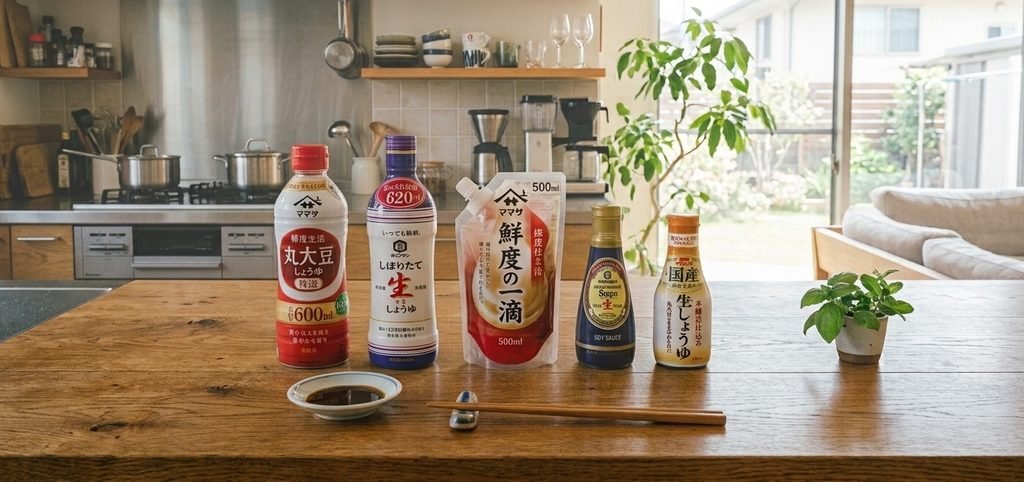
In 2009, Yamasa (Japan’s second-largest soy sauce producer) introduced spout pouch packaging, and Kikkoman countered in 2010 with its double-walled squeeze bottle.
This high-tech plastic container features a flexible inner bag inside a rigid outer shell. Squeezing the bottle dispenses the sauce and contracts the inner bag, while a built-in check valve in the cap physically prevents air from entering.
This groundbreaking design allows soy sauce to maintain peak freshness at room temperature for 90 to 180 days after opening. Major breweries soon adopted this technology, rolling out airtight “freshness-preserving bottles” that now account for roughly 50% of the Japanese household tabletop soy sauce market.
The Packaging War and Raw Soy Sauce
Vacuum-packed bottles have not only extended the shelf life of conventional soy sauce, but they have also created an entirely new commercial category.
Conventional soy sauce undergoes heat pasteurization to deactivate yeast, sterilize the product, fix its color, and develop classic ester aromas.
By contrast, unpasteurized “raw soy sauce” (Nama Shoyu) is prized for its vibrant red hue, mellow floral aroma, and gentle saltiness that enhances natural food flavors. Historically, however, its sensitivity to oxygen caused rapid quality loss, requiring constant refrigeration and making traditional containers unfit for mass distribution.
Airtight squeeze bottles were a true game-changer. By making nationwide distribution without degradation possible, they sparked explosive growth in the raw soy sauce market. In fact, Kikkoman’s “Freshly Pressed Raw Soy Sauce (450ml)” became a massive national hit across all age groups.
This format aligns perfectly with modern trends, such as single-person households and smaller families who struggle to finish a traditional 1-liter bottle before it spoils. Keeping soy sauce fresh at room temperature for months ensures even light users can enjoy every drop.
In the past, getting authentic raw soy sauce required visiting a brewery during winter and carefully transporting the bottle home—chilled, upright, and with a loosened cap to prevent built-up gas from blowing off the top. Today, it sits on supermarket shelves nationwide, delivering brewery-fresh flavor to everyday consumers.